
Twin Pregnancy: Risks, Care, And Delivery Planning
Jun 29, 2026
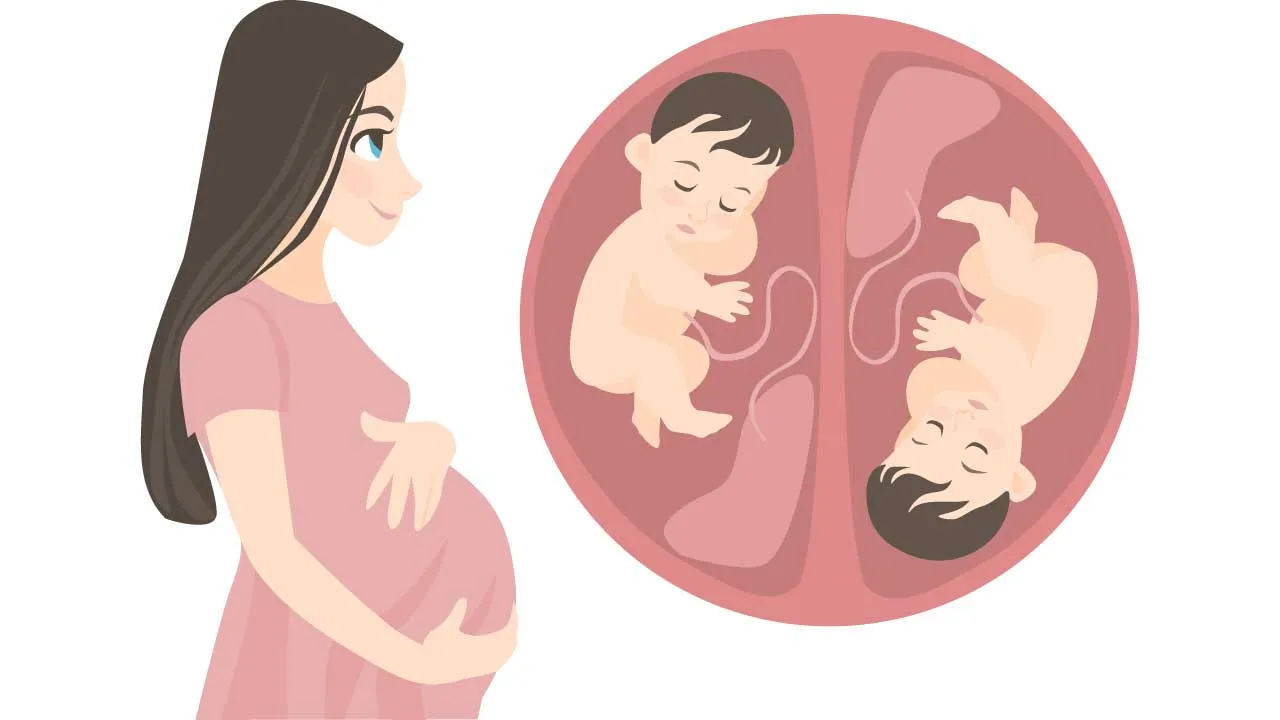
Discovering that you are expecting twins can be both exciting and overwhelming. While carrying twins brings double the joy, it also requires closer monitoring and specialized care compared to a singleton pregnancy. Twin pregnancies are considered higher risk because they are associated with an increased likelihood of certain maternal and fetal complications.
According to Dr. Jayashree Talele, proper prenatal care, regular monitoring, and careful delivery planning play a crucial role in ensuring a healthy outcome for both mother and babies.
What Is A Twin Pregnancy?
A twin pregnancy occurs when a woman carries two babies simultaneously. Twins can be:
Fraternal Twins (Dizygotic)
These develop when two separate eggs are fertilized by two different sperm. Fraternal twins may be of the same or different genders and do not share identical genetic material.
Identical Twins (Monozygotic)
These occur when a single fertilized egg splits into two embryos. Identical twins share the same genetic makeup and are usually of the same gender.
The type of twin pregnancy influences pregnancy monitoring and management.
Why Is Twin Pregnancy Considered High Risk?
Twin pregnancies place additional demands on the mother's body and increase the risk of complications for both mother and babies.
Potential concerns include:
- Preterm labor and delivery
- Low birth weight
- High blood pressure during pregnancy
- Gestational diabetes
- Anemia
- Placental complications
- Increased likelihood of cesarean delivery
However, with proper medical care, many women have healthy twin pregnancies and healthy babies.
Common Symptoms Of Twin Pregnancy
Women carrying twins may experience pregnancy symptoms more intensely.
These may include:
- Increased fatigue
- More severe morning sickness
- Greater weight gain
- Increased appetite
- Shortness of breath later in pregnancy
- More noticeable fetal movements
An ultrasound examination is the most reliable way to confirm a twin pregnancy.
Risks Associated With Twin Pregnancy
Preterm Birth
One of the most common complications of twin pregnancies is preterm delivery. Twins are more likely to be born before 37 weeks of gestation.
Premature birth may increase the risk of:
- Breathing difficulties
- Feeding challenges
- Neonatal intensive care admission
- Low Birth Weight
Because twins share space and nutrients, they may weigh less than singleton babies at birth.
Gestational Hypertension And Preeclampsia
Women carrying twins have a higher risk of developing high blood pressure and preeclampsia during pregnancy.
Gestational Diabetes
The body's increased metabolic demands can contribute to a higher risk of gestational diabetes.
Twin-To-Twin Transfusion Syndrome (TTTS)
In some identical twin pregnancies where babies share a placenta, abnormal blood vessel connections can result in unequal blood flow between twins.
This condition requires close monitoring and specialized treatment when necessary.
Anemia
Twin pregnancies increase nutritional demands, making anemia more common.
Importance Of Regular Prenatal Care
Prenatal care is especially important in twin pregnancies.
Dr. Jayashree Talele recommends regular checkups to monitor:
- Maternal health
- Blood pressure
- Weight gain
- Fetal growth
- Amniotic fluid levels
- Placental health
More frequent ultrasounds may be required compared to singleton pregnancies.
Nutrition During Twin Pregnancy
Mothers carrying twins need additional nutrients to support the growth of both babies.
A healthy diet should include:
- Adequate protein
- Iron-rich foods
- Calcium
- Folate
- Fruits and vegetables
- Whole grains
Prenatal supplements may be prescribed to meet increased nutritional requirements.
Weight Gain In Twin Pregnancy
Appropriate weight gain is important for fetal growth and reducing the risk of preterm birth.
The recommended amount varies based on pre-pregnancy weight and individual health factors. Your doctor will provide personalized guidance.
Exercise And Activity
Most women with uncomplicated twin pregnancies can remain physically active.
Safe activities may include:
- Walking
- Prenatal yoga
- Light stretching
However, exercise recommendations may change if complications arise.
Signs That Require Immediate Medical Attention
Seek medical care immediately if you experience:
- Vaginal bleeding
- Severe abdominal pain
- Persistent contractions
- Leakage of fluid
- Severe headache
- Sudden swelling of the face or hands
- Reduced fetal movements
Prompt evaluation can help prevent serious complications.
Delivery Planning For Twin Pregnancy
The timing and mode of delivery depend on several factors, including:
- Position of the babies
- Gestational age
- Maternal health
- Placental arrangement
- Presence of complications
- Vaginal Delivery
A vaginal birth may be possible if:
- The first baby is positioned head-down
- There are no significant complications
- Both mother and babies are stable
- Cesarean Section
A cesarean delivery may be recommended if:
- The first baby is not head-down
- There are placental complications
- Fetal distress develops
- Other medical concerns are present
Delivery planning is individualized to ensure maximum safety.
Can Twin Pregnancies Reach Full Term?
Many twin pregnancies deliver before full term. However, advances in prenatal care have significantly improved outcomes for twins born both at term and preterm.
Close monitoring helps determine the safest timing for delivery.
Emotional Well-Being During Twin Pregnancy
Expecting twins can bring excitement, anxiety, and additional physical demands.
Helpful strategies include:
- Building a support system
- Attending prenatal appointments regularly
- Preparing for newborn care early
- Discussing concerns openly with your healthcare provider
Emotional support is an important part of a healthy pregnancy journey.
Conclusion
Twin pregnancies require specialized attention because they carry higher risks than singleton pregnancies. From increased nutritional needs and more frequent prenatal visits to careful delivery planning, every aspect of care is focused on ensuring the health and safety of both mother and babies.
Dr. Jayashree Talele emphasizes that with timely prenatal care, regular monitoring, and appropriate medical guidance, most women with twin pregnancies can look forward to positive pregnancy outcomes and healthy babies.
FAQs
Q: Is A Twin Pregnancy Always Considered High Risk?
A: Yes, twin pregnancies are generally considered higher risk because they have an increased chance of complications such as preterm birth and high blood pressure.
Q: How Often Will I Need Ultrasounds During A Twin Pregnancy?
A: Twin pregnancies usually require more frequent ultrasounds than singleton pregnancies to monitor fetal growth and well-being.
Q: Can Twins Be Delivered Normally?
A: In some cases, vaginal delivery is possible, depending on the position of the babies and overall pregnancy health.
Q: Are Twin Babies Usually Born Early?
A: Yes, twins are more likely to be born before 37 weeks compared to singleton pregnancies.
Q: Do I Need To Eat Twice As Much During A Twin Pregnancy?
A: No. Nutritional needs increase, but a balanced diet with appropriate calorie intake is more important than simply eating double.
Expecting twins or planning your pregnancy journey? Consult Dr. Jayashree Talele for expert prenatal care, comprehensive monitoring, and personalized guidance to ensure the healthiest possible outcome for you and your babies.


LOCATION
Sanskar Tower,
First Floor, Near Gurukul Society,
Above Shree Image CT Scan Centre,
Dharamveer Marg, Panchpakhadi,
Thane (West) 400602

OPD TIMING
MONDAY TO SUNDAY
11:00 AM - 1:00 PM
7:00 PM - 9:00 PM

Experience the epitome of high-quality healthcare, where your comfort and well-being take center stage.


OVERVIEW
SERVICES
SUPPORT
© 2025 Dr. Jayashree Talele. All rights reserved | Website Design by Remedo