
Vaccinations Recommended In Pregnancy
Mar 07, 2026
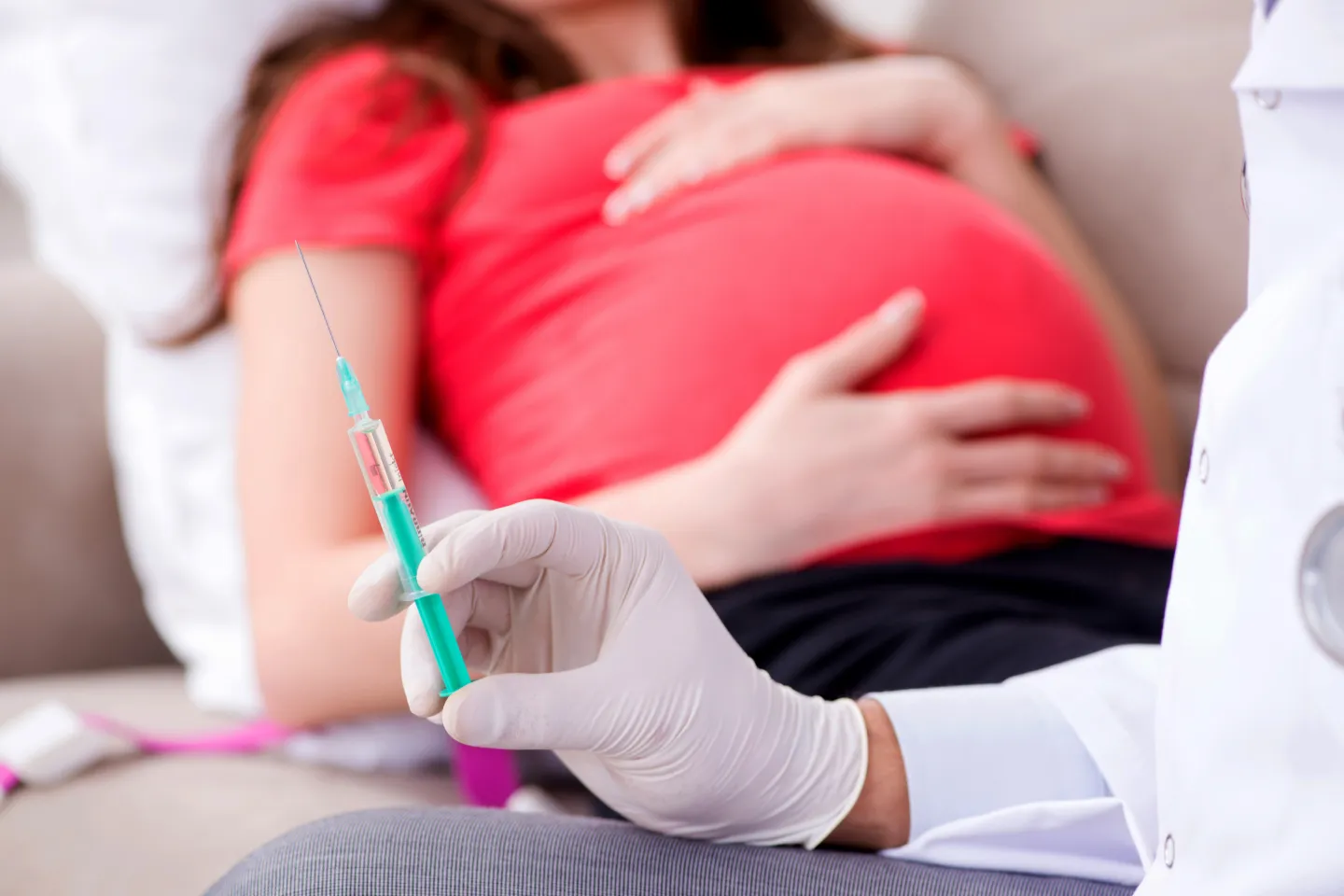
Pregnancy is a time when a woman’s immune system undergoes several changes, making her more vulnerable to certain infections. Vaccinations during pregnancy play a crucial role in protecting both the mother and the unborn baby from potentially serious diseases.
Certain vaccines are recommended during pregnancy because they help prevent infections that could cause complications for the mother or affect the baby’s health after birth.
Understanding which vaccines are safe and recommended during pregnancy helps ensure a healthier pregnancy and better protection for the newborn.
Why Are Vaccinations Important During Pregnancy?
Vaccination during pregnancy provides dual protection. It not only protects the mother from infections but also allows protective antibodies to pass to the baby through the placenta.
These antibodies help protect the newborn during the first few months of life when the baby’s immune system is still developing and before routine childhood vaccinations begin.
Maternal vaccination is therefore an important part of prenatal care and preventive health.
Vaccines Recommended During Pregnancy
Tdap Vaccine (Tetanus, Diphtheria, And Pertussis)
The Tdap vaccine is one of the most important vaccines recommended during pregnancy. It protects against tetanus, diphtheria, and pertussis (whooping cough).
Whooping cough can be particularly dangerous for newborn babies. Receiving the Tdap vaccine during pregnancy allows protective antibodies to pass to the baby, helping protect the infant after birth.
Doctors usually recommend the Tdap vaccine between 27 and 36 weeks of pregnancy.
Influenza (Flu) Vaccine
Pregnant women are at a higher risk of complications from influenza. The flu vaccine helps protect both the mother and the baby from serious illness caused by influenza infection.
The flu shot can be given during any trimester of pregnancy and is recommended during flu season.
Vaccination also helps reduce the risk of hospitalization and complications associated with influenza during pregnancy.
Vaccines That May Be Recommended In Certain Situations
In some cases, additional vaccines may be recommended depending on a woman’s health status, travel plans, or risk of exposure to specific infections.
Hepatitis B Vaccine
The hepatitis B vaccine may be recommended for pregnant women who are at risk of infection, such as those with certain medical conditions or exposure risks.
Vaccination helps prevent transmission of the infection to the baby.
COVID-19 Vaccine
COVID-19 vaccination is considered safe during pregnancy and may help reduce the risk of severe illness caused by the virus.
Pregnant women who receive the vaccine may also pass protective antibodies to their babies.
Other Vaccines In Special Circumstances
Depending on travel plans or exposure risks, doctors may recommend additional vaccines such as:
- Hepatitis A vaccine
- Meningococcal vaccine
- Rabies vaccine
These vaccines are considered when the benefits outweigh potential risks.
Vaccines That Are Not Recommended During Pregnancy
Certain vaccines contain live viruses and are generally avoided during pregnancy because of potential risks to the developing baby.
Examples include:
- Measles, Mumps, Rubella (MMR) vaccine
- Varicella (chickenpox) vaccine
- Live nasal influenza vaccine
If these vaccines are needed, they are usually given before pregnancy or after delivery.
Are Vaccines Safe During Pregnancy?
Extensive research has shown that recommended vaccines during pregnancy are safe and effective. Health authorities worldwide support maternal vaccination as an important strategy for preventing infections in both mothers and newborns.
Most vaccines given during pregnancy have been used safely for many years and are closely monitored for safety.
Pregnant women should always consult their doctor before receiving any vaccine to ensure it is appropriate for their individual health condition.
When Should You Talk To Your Doctor?
It is important to discuss vaccination during routine prenatal visits. Your doctor will review your vaccination history, health status, and possible exposure risks to determine which vaccines are recommended.
Timely vaccination can help protect both mother and baby from preventable diseases.
FAQs
Q: Are Vaccines Safe During Pregnancy?
A: Yes. Recommended vaccines such as Tdap and the flu vaccine are considered safe and are widely used during pregnancy.
Q: When Is The Tdap Vaccine Given During Pregnancy?
A: The Tdap vaccine is usually given between 27 and 36 weeks of pregnancy.
Q: Can Pregnant Women Take The Flu Vaccine?
A: Yes. The flu shot is recommended during pregnancy and can be given during any trimester.
Q: Do Vaccines Protect The Baby Too?
A: Yes. Antibodies produced after vaccination can pass to the baby through the placenta and provide protection after birth.
Q: Should I Get Vaccinated Before Pregnancy?
A: Certain vaccines such as MMR and varicella are recommended before pregnancy if immunity is not present.
Book Your Appointment Today
Vaccinations during pregnancy are an important part of prenatal care and play a key role in protecting both mother and baby from serious infections. Recommended vaccines such as Tdap and influenza provide essential protection and help safeguard newborns during their early months of life.
Consulting an experienced obstetrician like Dr. Jayashree Talele ensures that expecting mothers receive the right guidance regarding safe and recommended vaccinations throughout pregnancy.
Taking the right preventive steps during pregnancy helps support a healthy pregnancy and a healthy start for the baby.


LOCATION
Sanskar Tower,
First Floor, Near Gurukul Society,
Above Shree Image CT Scan Centre,
Dharamveer Marg, Panchpakhadi,
Thane (West) 400602

OPD TIMING
MONDAY TO SUNDAY
11:00 AM - 1:00 PM
7:00 PM - 9:00 PM

Experience the epitome of high-quality healthcare, where your comfort and well-being take center stage.


OVERVIEW
SERVICES
SUPPORT
© 2025 Dr. Jayashree Talele. All rights reserved | Website Design by Remedo