
Postpartum Recovery Timeline: What No One Tells You About Weeks 1–6
Oct 14, 2026
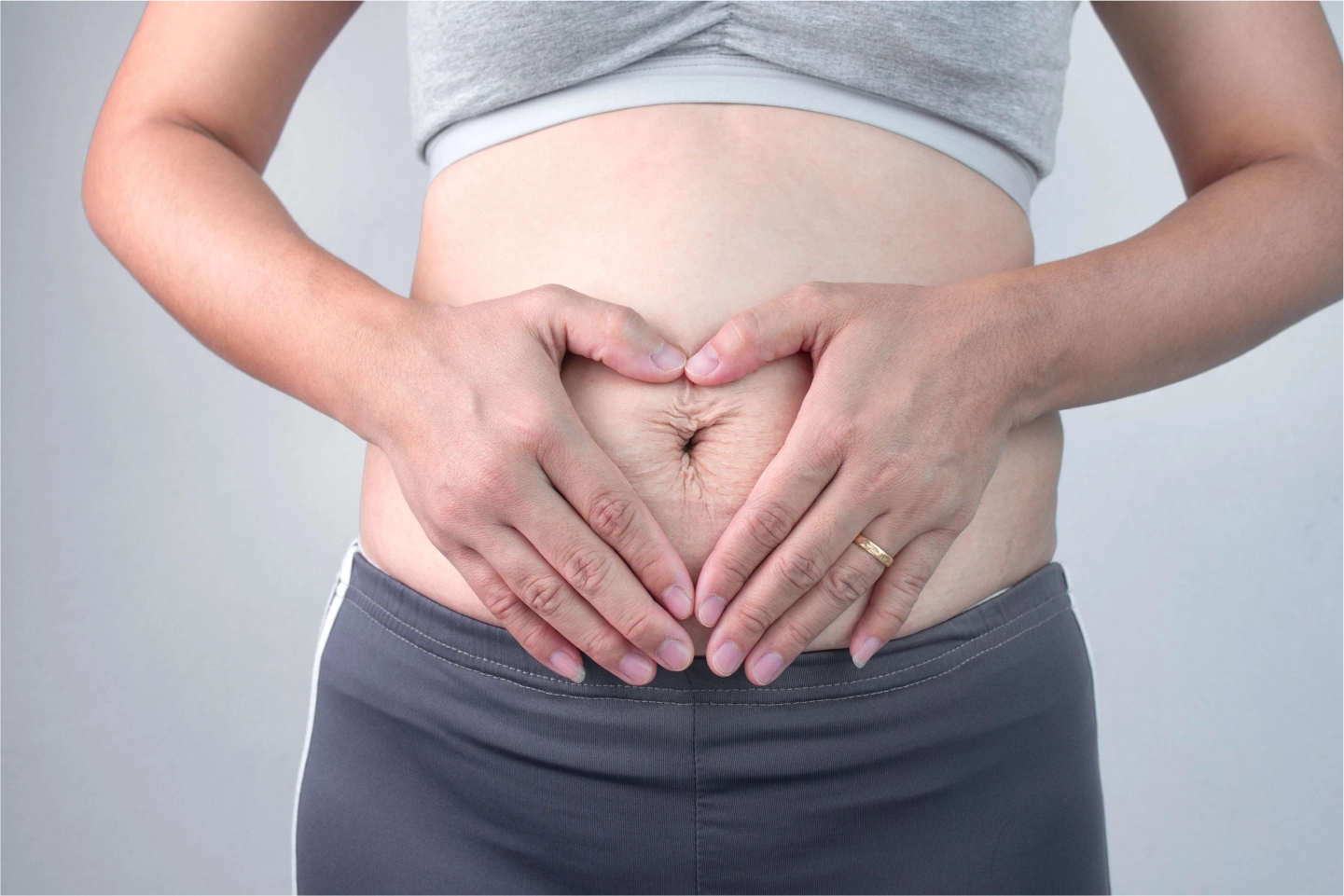
The first six weeks after childbirth are often described as a period of recovery. But recovery does not always feel like a straight line.
You may have days when you feel better, followed by a day when you feel completely exhausted. Your body is healing, your hormones are changing, your sleep may be unpredictable, and you are also learning how to care for your newborn.
Whether you had a vaginal birth or a C-section, postpartum recovery takes time. Knowing what can happen during these first six weeks can make it easier to recognize what is expected and when you may need medical advice.
Week 1: Your Body Is Still Recovering From Birth
The first few days can be physically demanding.
Vaginal bleeding, called lochia, is common after childbirth. It may initially be heavier and gradually change in color and amount over the following days.
You may also experience:
- Uterine cramps, especially during breastfeeding
- Soreness around the vaginal area after a vaginal birth
- Pain or discomfort around a C-section incision
- Breast fullness or tenderness as milk production begins
- Constipation or difficulty passing urine
- Significant tiredness and sleep disruption
Your body needs rest during this stage. That does not mean you need to remain in bed all day. Gentle movement, as advised by your healthcare provider, can be helpful, while strenuous activity and heavy lifting may need to be avoided.
Week 2: You May Feel Better, But You Are Not Fully Recovered
By the second week, some women notice that certain symptoms are easing. However, this does not necessarily mean that healing is complete.
Bleeding may continue but should generally become lighter over time. Vaginal or perineal soreness may gradually improve, while C-section discomfort may still be present.
You may also notice that your emotions feel unpredictable.
Hormonal changes, physical discomfort, lack of sleep, feeding challenges, and the adjustment to caring for a baby can all affect your mood.
Feeling emotional or overwhelmed at times can happen during the early postpartum period. However, persistent sadness, severe anxiety, hopelessness, difficulty functioning, or thoughts of harming yourself or your baby require prompt medical attention.
Week 3: Recovery Is Not Always Linear
This is the stage when some new mothers make the mistake of assuming they should already feel completely normal.
You may have more energy than you did during the first week, but you can still become tired quickly. Pelvic discomfort, back pain, constipation, vaginal dryness, or changes related to breastfeeding may continue.
Some women also notice that their body feels different from before pregnancy. Your abdominal muscles, pelvic floor, breasts, weight, and overall energy levels may still be changing.
There is no need to compare your recovery with another mother's timeline. The type of delivery, pregnancy, complications, feeding method, sleep, and overall health can all influence recovery.
Week 4: You Are Adjusting, Not Just Healing
Around the fourth week, daily routines may start becoming more manageable. But you may still need regular breaks and support.
If you had a C-section, the incision may continue to heal even if the outside looks better. You should continue following your healthcare provider's instructions about lifting, exercise, driving, and other activities.
If you are breastfeeding, feeding may also be becoming more established, although challenges such as nipple soreness, breast engorgement, or concerns about milk supply can still occur.
This is also a good time to pay attention to your pelvic floor. Urine leakage, pelvic pressure, persistent pain, or discomfort during movement or intercourse should not simply be dismissed as something you have to live with after childbirth.
Week 5: You May Start Thinking About Your Own Health Again
By the fifth week, attention often shifts back toward the mother's health.
You may be wondering when you can exercise, have sex, return to work, drive comfortably, or resume your usual activities. The answer is not exactly the same for everyone.
Your recovery should be assessed based on your delivery, healing, symptoms, and overall health rather than a fixed calendar date.
You may also still be dealing with sleep deprivation. Even if your body feels stronger, interrupted sleep can affect concentration, mood, appetite, and energy.
Ask for help when you need it. Postpartum recovery is not something you have to manage alone.
Week 6: The End Of Six Weeks Does Not Mean The End Of Recovery
The six-week mark is often treated as a major milestone, but it does not mean that every woman will feel completely recovered by then.
A postpartum checkup may provide an opportunity to discuss bleeding, pain, blood pressure, healing, breastfeeding, contraception, mental health, pelvic floor symptoms, and returning to physical activity.
Depending on your circumstances, your healthcare provider may also discuss future pregnancy planning and birth control options.
If you still have symptoms that concern you, mention them rather than assuming you should simply wait for them to disappear.
What No One Tells You About Postpartum Recovery
One of the biggest surprises for many new mothers is that recovery is both physical and emotional.
You may feel grateful and happy about your baby while also feeling exhausted, frustrated, anxious, or overwhelmed. These feelings can coexist.
You may also find that some days are easier than others. A difficult day does not necessarily mean that your recovery is going backwards.
The important thing is to notice patterns, take care of basic needs such as food, fluids, rest, and prescribed medications, and seek help when something does not feel right.
When Should You Contact Your Doctor?
Some postpartum symptoms require prompt medical assessment.
Seek medical care if you experience:
- Heavy vaginal bleeding or bleeding that suddenly becomes much heavier
- Severe or worsening abdominal or pelvic pain
- Fever or chills
- Foul-smelling vaginal discharge
- Increasing redness, swelling, drainage, or pain around a C-section incision
- Severe headache, vision changes, chest pain, or difficulty breathing
- Painful swelling in one leg
- Severe anxiety, confusion, hopelessness, or thoughts of harming yourself or your baby
Do not wait for the six-week checkup if you develop concerning symptoms.
Get Guidance For Your Postpartum Recovery
If you have questions about your recovery after childbirth, Dr. Jayashree Talele can help you understand which changes are part of normal postpartum healing and when further evaluation may be needed.
FAQs
Q: How long does postpartum recovery usually take?
A: Six weeks is commonly used as an early postpartum milestone, but recovery varies. Some changes may settle within weeks, while others, including pelvic floor, hormonal, emotional, or breastfeeding-related changes, can take longer.
Q: Is bleeding normal after childbirth?
A: Vaginal bleeding called lochia is common after both vaginal and cesarean birth. It generally becomes lighter over time. Very heavy bleeding, large clots, or bleeding that suddenly becomes much heavier should be medically evaluated.
Q: When can I start exercising after childbirth?
A: The timing depends on your delivery, healing, symptoms, and overall health. Gentle movement may be appropriate early for many women, while more strenuous exercise should be discussed with your healthcare provider.
Q: When can I have sex after giving birth?
A: There is no single date that applies to everyone. Healing, bleeding, pain, delivery-related injuries, and individual comfort all matter. Discuss the timing with your gynecologist, especially if you have pain or concerns.
Q: Can postpartum emotions be difficult even if I am happy about my baby?
A: Yes. Emotional changes can occur after childbirth because of hormonal shifts, sleep deprivation, physical recovery, and the demands of caring for a newborn. Persistent or severe symptoms should be discussed with a healthcare professional.


LOCATION
Sanskar Tower,
First Floor, Near Gurukul Society,
Above Shree Image CT Scan Centre,
Dharamveer Marg, Panchpakhadi,
Thane (West) 400602

OPD TIMING
MONDAY TO SUNDAY
11:00 AM - 1:00 PM
7:00 PM - 9:00 PM

Experience the epitome of high-quality healthcare, where your comfort and well-being take center stage.


OVERVIEW
SERVICES
SUPPORT
© 2025 Dr. Jayashree Talele. All rights reserved | Website Design by Remedo