
Placenta Previa: Symptoms And Treatment
Jul 12, 2026
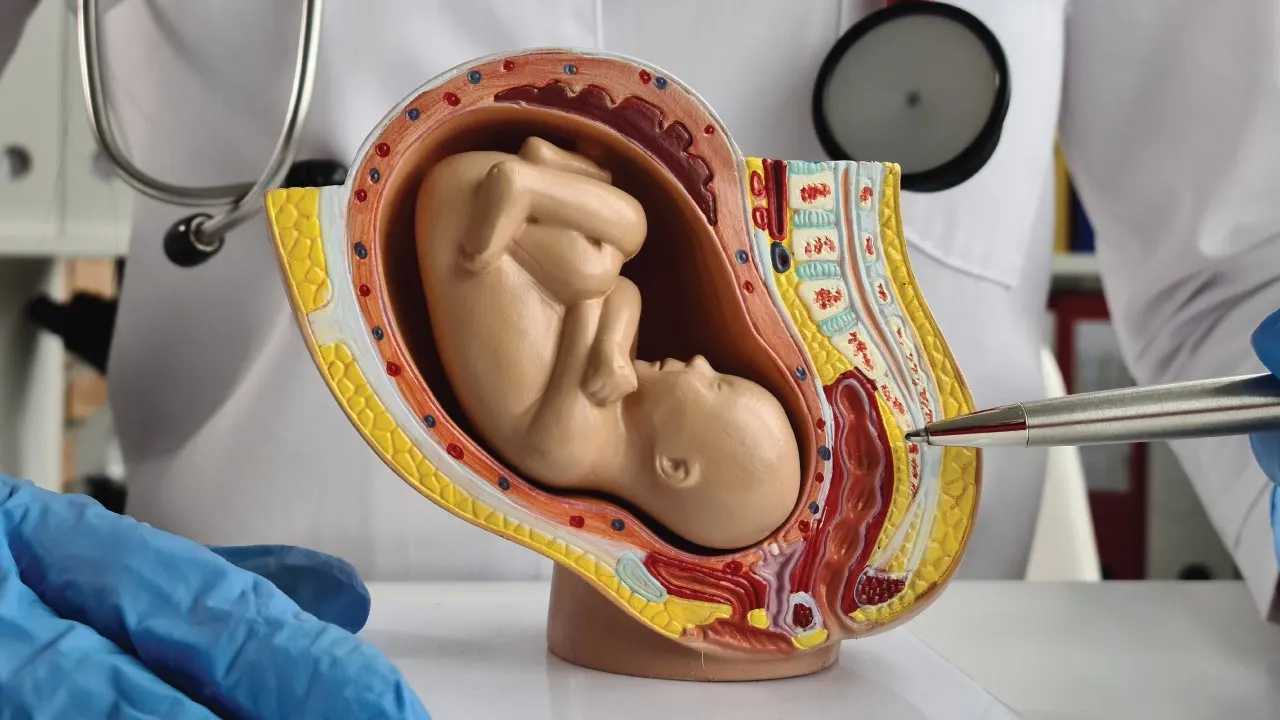
Pregnancy brings many physical and emotional changes, and while most pregnancies progress without major complications, some conditions require closer monitoring to help protect both the mother and the baby. One such condition is placenta previa, a pregnancy complication in which the placenta partially or completely covers the opening of the cervix.
Placenta previa can cause bleeding during pregnancy and may affect the way a baby is delivered. Although hearing this diagnosis can be concerning, advances in prenatal care and timely medical management have significantly improved outcomes for many mothers and babies.
According to Dr. Jayashree Talele, early diagnosis, regular prenatal care, and individualized treatment planning are essential for managing placenta previa safely.
What Is Placenta Previa?
The placenta is an organ that develops during pregnancy to provide oxygen and nutrients to the growing baby while removing waste products from the baby's blood.
Normally, the placenta attaches to the upper portion of the uterus. In placenta previa, the placenta implants lower in the uterus and partially or completely covers the cervix, which is the opening through which the baby passes during vaginal delivery.
Depending on its location, placenta previa may make vaginal delivery unsafe.
Types Of Placenta Previa
Placenta previa is classified based on how much of the cervix is covered.
Complete Placenta Previa
The placenta completely covers the cervical opening. A cesarean delivery is typically recommended in these cases.
Partial Placenta Previa
The placenta covers part of the cervix but not the entire opening.
Marginal Placenta Previa
The placenta extends to the edge of the cervix without covering it.
Low Lying Placenta
The placenta is located near the cervix but does not reach or cover the cervical opening. In some pregnancies, the placenta may move farther away from the cervix as the uterus grows.
What Causes Placenta Previa?
The exact cause of placenta previa is not always known. It occurs when the placenta implants in the lower part of the uterus during early pregnancy.
Several factors may increase the likelihood of developing placenta previa, although many women with the condition have no identifiable risk factors.
Risk Factors
Certain factors are associated with a higher risk of placenta previa, including:
- Previous cesarean delivery
- Prior uterine surgery
- Multiple pregnancies
- Carrying twins or higher order multiples
- Maternal age over 35 years
- Previous placenta previa
- Smoking during pregnancy
- Assisted reproductive techniques such as IVF
Having one or more risk factors does not necessarily mean placenta previa will develop.
Symptoms Of Placenta Previa
The most common symptom is painless vaginal bleeding during the second or third trimester.
Bleeding may:
- Be bright red in color
- Start suddenly
- Stop on its own and recur later
- Vary from light spotting to heavier bleeding
Some women may not experience symptoms, and the condition is discovered during a routine prenatal ultrasound.
When Is Bleeding During Pregnancy An Emergency?
Any vaginal bleeding during pregnancy should be evaluated promptly.
Seek immediate medical attention if you experience:
- Heavy vaginal bleeding
- Persistent bleeding
- Dizziness or fainting
- Severe abdominal pain
- Regular contractions
- Decreased fetal movement
Even if the bleeding stops, it is important to contact your healthcare provider.
How Is Placenta Previa Diagnosed?
Placenta previa is most commonly diagnosed with ultrasound.
Ultrasound Examination
A transabdominal or transvaginal ultrasound allows your healthcare provider to determine the exact location of the placenta.
Transvaginal ultrasound is considered safe during pregnancy when performed appropriately and often provides the most accurate assessment.
Follow Up Ultrasounds
If placenta previa or a low lying placenta is identified early in pregnancy, repeat ultrasounds may be recommended because the placenta's position can change as the uterus expands.
Can Placenta Previa Resolve On Its Own?
Yes. When placenta previa is diagnosed in the second trimester, there is a possibility that the placenta may move away from the cervix as the uterus grows.
This is more likely with a low lying placenta or marginal placenta previa than with complete placenta previa.
Regular follow up imaging helps monitor these changes.
Treatment Options
Treatment depends on several factors, including:
- The amount of bleeding
- The baby's gestational age
- The type of placenta previa
- Maternal health
- Fetal well-being
Observation And Monitoring
Women without active bleeding may be monitored with regular prenatal visits and ultrasound examinations.
Activity Modifications
Your healthcare provider may recommend avoiding activities that could increase the risk of bleeding. Recommendations vary depending on your individual situation.
Hospital Care
If significant bleeding occurs, hospitalization may be necessary for close monitoring of both mother and baby.
Medications
Depending on the stage of pregnancy and your condition, medications may be recommended to support fetal lung development if an early delivery becomes necessary or to address other pregnancy-related concerns.
Cesarean Delivery
If the placenta continues to cover the cervix later in pregnancy, a planned cesarean delivery is generally recommended because vaginal delivery may pose serious risks.
The timing of delivery depends on your pregnancy and overall clinical condition.
Possible Complications
Placenta previa can increase the risk of:
- Significant bleeding before or during delivery
- Preterm birth
- Need for blood transfusion
- Placenta accreta spectrum in some women with previous uterine surgery
- Emergency cesarean delivery
Close monitoring helps reduce the risk of complications.
Tips For A Healthy Pregnancy With Placenta Previa
If you have been diagnosed with placenta previa:
- Attend all scheduled prenatal appointments.
- Follow your healthcare provider's recommendations.
- Report any vaginal bleeding immediately.
- Know the location of the nearest emergency medical facility.
- Keep emergency contact numbers readily available.
- Avoid self-managing symptoms without medical advice.
Your care plan will be tailored to your pregnancy and medical needs.
When Should You See A Doctor?
Contact your healthcare provider immediately if you experience:
- Any vaginal bleeding during pregnancy
- Persistent abdominal pain
- Regular uterine contractions
- Leakage of fluid
- Reduced fetal movement
- Dizziness or fainting
Prompt evaluation is important, even if symptoms seem mild.
Conclusion
Placenta previa is a pregnancy complication that requires careful monitoring, but with early diagnosis and appropriate medical care, many women go on to have healthy pregnancies and deliveries. Understanding the symptoms, recognizing warning signs, and following your healthcare provider's recommendations can help reduce the risk of complications.
Dr. Jayashree Talele emphasizes that regular prenatal care, timely evaluation of any bleeding, and individualized treatment planning are key to achieving the best possible outcomes for both mother and baby.
FAQs
Q: What is the main symptom of placenta previa?
A: The most common symptom is painless, bright red vaginal bleeding during the second or third trimester of pregnancy.
Q: Can placenta previa go away on its own?
A: In some cases, especially when diagnosed early in pregnancy, the placenta may move away from the cervix as the uterus grows.
Q: Is vaginal delivery possible with placenta previa?
A: If the placenta completely or partially covers the cervix near delivery, a cesarean delivery is generally recommended. Your healthcare provider will determine the safest delivery plan based on your condition.
Q: Does every episode of bleeding mean an emergency?
A: Any vaginal bleeding during pregnancy should be evaluated promptly, even if it is light or stops on its own.
Q: How is placenta previa diagnosed?
A: Placenta previa is typically diagnosed with an ultrasound examination, which helps determine the location of the placenta and guide pregnancy management.
If you have been diagnosed with placenta previa or experience bleeding during pregnancy, consult Dr. Jayashree Talele for expert evaluation, personalized prenatal care, and comprehensive management to support a healthy pregnancy and safe delivery.


LOCATION
Sanskar Tower,
First Floor, Near Gurukul Society,
Above Shree Image CT Scan Centre,
Dharamveer Marg, Panchpakhadi,
Thane (West) 400602

OPD TIMING
MONDAY TO SUNDAY
11:00 AM - 1:00 PM
7:00 PM - 9:00 PM

Experience the epitome of high-quality healthcare, where your comfort and well-being take center stage.


OVERVIEW
SERVICES
SUPPORT
© 2025 Dr. Jayashree Talele. All rights reserved | Website Design by Remedo