
How Stress Affects Your Period Cycle
May 24, 2026
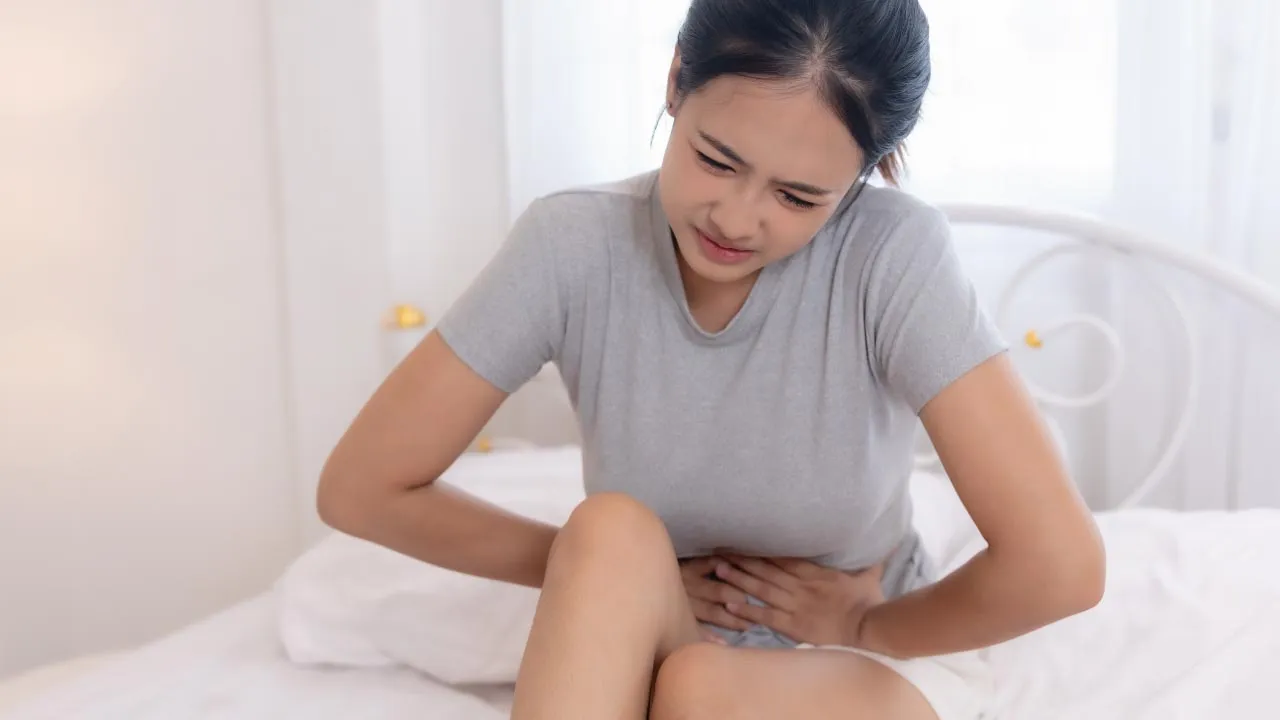
Stress is a part of modern life, but many women do not realize how deeply it can affect their menstrual health. From delayed periods and painful cramps to unusually heavy bleeding, emotional and physical stress can influence the body in several ways. Understanding this connection is important for maintaining both reproductive and overall well-being.
At Dr. Jayashree Talele Obstetrics & Gynecology Clinic, we often see women experiencing changes in their menstrual cycle during stressful phases of life. Whether it is work pressure, lack of sleep, emotional strain, exams, family responsibilities, or health concerns, stress can disturb the delicate hormonal balance that regulates periods.
Understanding The Link Between Stress And Menstrual Health
The menstrual cycle is controlled by hormones produced through communication between the brain and ovaries. Stress can interfere with this process by affecting the hypothalamus, the part of the brain responsible for hormone regulation.
When stress levels rise, the body releases stress hormones like cortisol and adrenaline. These hormones may disrupt the production of estrogen and progesterone, leading to changes in the menstrual cycle.
Even short-term stress can cause temporary irregularities, while long-term stress may result in more persistent menstrual problems.
Common Ways Stress Can Affect Your Period
Delayed Or Missed Periods
One of the most common effects of stress is a delayed or missed period. High stress levels can temporarily stop ovulation, which means menstruation may occur later than expected or may skip entirely for a cycle.
Irregular Menstrual Cycles
Stress can make periods arrive earlier or later than usual. Women who generally have regular cycles may suddenly notice unpredictable timing.
Heavier Or Lighter Bleeding
Hormonal fluctuations caused by stress can affect the uterine lining, leading to unusually heavy bleeding or lighter-than-normal periods.
Increased Menstrual Pain
Stress may increase muscle tension and inflammation in the body, making menstrual cramps feel more severe.
Spotting Between Periods
Some women experience light bleeding or spotting between cycles during stressful periods.
Worsening PMS Symptoms
Stress can intensify symptoms of premenstrual syndrome such as mood swings, irritability, bloating, headaches, fatigue, and breast tenderness.
Can Emotional Stress Completely Stop Periods?
Yes, in some cases, severe emotional or physical stress can temporarily stop menstruation. This condition is called hypothalamic amenorrhea. It may occur due to:
- Extreme emotional distress
- Overwork or burnout
- Significant weight loss
- Excessive exercise
- Lack of sleep
- Anxiety or depression
While periods often return once stress levels improve, prolonged absence of menstruation should always be evaluated by a gynecologist.
Physical Stress And Menstrual Changes
Stress is not always emotional. Physical stress on the body can also affect the menstrual cycle. Examples include:
- Illness or infection
- Surgery
- Nutritional deficiencies
- Chronic medical conditions
- Intense workouts
- Sudden lifestyle changes
The body reacts to physical strain similarly by prioritizing essential survival functions over reproductive processes.
Signs You Should Not Ignore
Occasional cycle changes during stressful times are common, but some symptoms require medical attention. Consult Dr. Jayashree Talele if you experience:
- Missed periods for more than three months
- Extremely heavy bleeding
- Severe pelvic pain
- Bleeding between periods regularly
- Sudden major changes in cycle length
- Very painful periods affecting daily activities
- Persistent fatigue or dizziness
Early evaluation can help rule out underlying conditions such as PCOS, thyroid disorders, fibroids, or hormonal imbalances.
How To Reduce Stress For Better Menstrual Health
Managing stress can help restore hormonal balance and support a healthier menstrual cycle.
Simple lifestyle habits often make a significant difference.
Prioritize Quality Sleep
Aim for 7 to 8 hours of restful sleep every night. Poor sleep can increase cortisol levels and worsen hormonal imbalance.
Eat A Balanced Diet
Include iron-rich foods, fruits, vegetables, proteins, and healthy fats to support hormone production and energy levels.
Exercise Regularly
Moderate physical activity such as walking, yoga, or stretching can reduce stress and improve circulation. Avoid excessive overtraining.
Practice Relaxation Techniques
- Deep breathing, meditation, mindfulness, and hobbies can help calm the nervous system.
- Stay Hydrated
- Proper hydration supports overall body function and reduces bloating and fatigue during menstruation.
Seek Emotional Support
Talking to family, friends, or a healthcare professional can help manage emotional stress more effectively.
When To See A Gynecologist
If stress-related menstrual changes continue despite lifestyle improvements, professional guidance is important. A gynecologist can assess hormonal health, evaluate underlying causes, and recommend appropriate treatment if needed.
At Dr. Jayashree Talele Obstetrics & Gynecology Clinic, we provide compassionate and personalized care for menstrual irregularities, hormonal concerns, and women’s reproductive health.
Your Mind And Hormones Are Closely Connected
Stress does not only affect your mood and energy levels. It can also influence your hormones, ovulation, and menstrual cycle. Paying attention to changes in your periods can provide valuable insight into your overall health.
If you are noticing irregular periods, worsening PMS, or missed cycles during stressful times, it may be your body’s way of signaling that it needs care and balance. Timely support and healthy lifestyle changes can help restore menstrual health and improve overall well-being.
Frequently Asked Questions
Q: Can stress make my period come early?
A: Yes, stress can affect hormone levels and sometimes cause periods to arrive earlier than expected.
Q: Is it normal to miss a period because of stress?
A: Occasional missed periods during severe stress can happen, but repeated missed periods should be evaluated by a gynecologist.
Q: Can anxiety worsen period cramps?
A: Yes, anxiety and stress can increase muscle tension and inflammation, making cramps feel more painful.
Q: How long can stress delay a period?
A: Stress may delay periods by a few days or even several weeks, depending on how the body responds.
Q: Can stress cause heavy bleeding?
A: Hormonal imbalance due to stress may lead to heavier or irregular bleeding in some women.
Q: When should I see a doctor for irregular periods?
A: Consult a gynecologist if irregularities continue for several months, if bleeding is extremely heavy, or if periods stop completely.
Struggling With Irregular Periods Or Hormonal Changes?
Get expert guidance and compassionate women’s healthcare with Dr. Jayashree Talele Obstetrics & Gynecology Clinic. Schedule your consultation today for personalized evaluation and menstrual health support.


LOCATION
Sanskar Tower,
First Floor, Near Gurukul Society,
Above Shree Image CT Scan Centre,
Dharamveer Marg, Panchpakhadi,
Thane (West) 400602

OPD TIMING
MONDAY TO SUNDAY
11:00 AM - 1:00 PM
7:00 PM - 9:00 PM

Experience the epitome of high-quality healthcare, where your comfort and well-being take center stage.


OVERVIEW
SERVICES
SUPPORT
© 2025 Dr. Jayashree Talele. All rights reserved | Website Design by Remedo