
Ectopic Pregnancy: Early Symptoms And Emergency Care
Feb 20, 2026
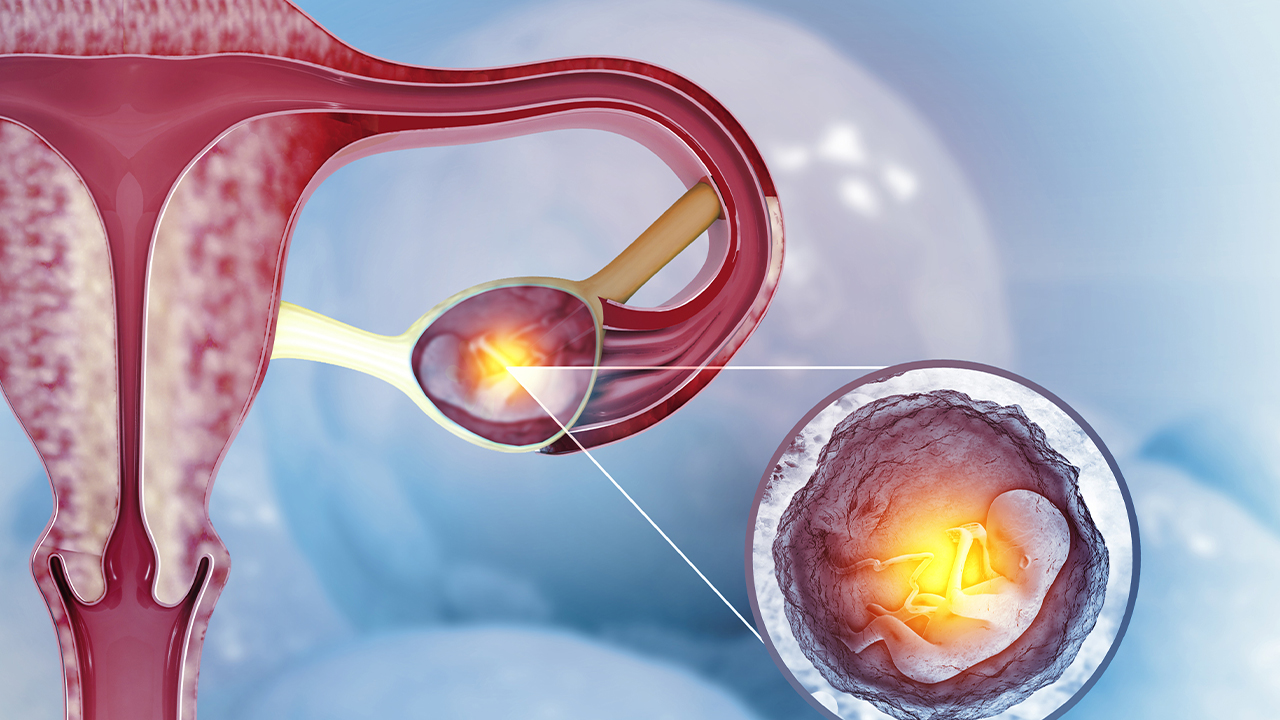
Ectopic pregnancy is a potentially life-threatening condition that occurs when a fertilized egg implants outside the uterus, most commonly in the fallopian tube. Unlike a normal pregnancy, an ectopic pregnancy cannot progress to a viable birth and requires prompt medical attention.
According to Dr. Jayashree Talele, early recognition, diagnosis, and emergency care are critical in preventing complications, preserving fertility, and safeguarding a woman’s life. Awareness of the condition, its risk factors, and warning signs empowers women to seek timely help.
What Is Ectopic Pregnancy
In a typical pregnancy, the fertilized egg travels through the fallopian tube and implants in the uterus. In an ectopic pregnancy, the egg implants outside the uterine cavity.
Common sites include:
- Fallopian tubes (most frequent)
- Ovaries
- Abdominal cavity
- Cervix
Because these locations cannot support normal fetal growth, the pregnancy can cause rupture and severe internal bleeding if left untreated. This makes early detection and care extremely important.
Early Symptoms of Ectopic Pregnancy
Recognizing the early warning signs is crucial, as early treatment can save lives. Symptoms may include:
- Abdominal or pelvic pain, often localized on one side
- Vaginal bleeding or spotting, which may be lighter or heavier than normal periods
- Shoulder pain caused by internal bleeding irritating the diaphragm
- Dizziness, fainting, or weakness, which may indicate internal bleeding
- Gastrointestinal discomfort, nausea, or vomiting
- Lower back pain or cramping
These symptoms can sometimes be subtle, especially in the first weeks of pregnancy, so medical evaluation is essential if pregnancy is suspected.
Risk Factors for Ectopic Pregnancy
Certain factors increase the likelihood of ectopic pregnancy. Identifying these risk factors allows women and healthcare providers to monitor pregnancies closely:
- Previous ectopic pregnancy
- History of pelvic inflammatory disease (PID)
- Tubal surgery or scarring from infections or procedures
- Use of assisted reproductive technologies (ART) such as IVF
- Smoking during pregnancy
- Advanced maternal age
Women with these risk factors should be particularly vigilant for early symptoms and seek immediate care when needed.
Emergency Care and Treatment Options
Ectopic pregnancy is a medical emergency. Prompt treatment prevents life-threatening complications. The choice of treatment depends on the severity, location, and patient’s stability:
- Medication (Methotrexate): Effective in early, unruptured cases. Stops cell growth and allows the body to absorb the pregnancy tissue.
- Surgical Intervention: Laparoscopic surgery is often performed in cases of rupture or severe bleeding. Surgery may involve removing the ectopic pregnancy and repairing or removing the affected fallopian tube.
- Supportive Care: Stabilizing the patient, monitoring vital signs, and managing blood loss.
Dr. Jayashree Talele emphasizes that timely intervention is key to preserving fertility and preventing serious complications.
Diagnosis of Ectopic Pregnancy
Early and accurate diagnosis relies on a combination of:
- Pregnancy test (hCG levels) to confirm pregnancy
- Transvaginal ultrasound to locate the gestational sac
- Blood tests to monitor hormone levels
- Clinical evaluation of pain, bleeding, and vital signs
A combination of these assessments ensures that ectopic pregnancies are identified promptly, allowing for safer and more effective treatment.
Importance of Early Recognition
Detecting ectopic pregnancy early has several benefits:
- Enables medication-based management rather than emergency surgery
- Preserves fertility and reproductive health
- Reduces risk of life-threatening internal bleeding
- Allows for emotional support and counseling
Early recognition is critical because delayed treatment increases the risk of complications such as tube rupture, hemorrhage, or shock.
Post-Treatment Care and Follow-Up
Recovery after ectopic pregnancy requires ongoing monitoring:
- Regular hCG testing to confirm complete resolution
- Ultrasound evaluation if needed
- Counseling regarding future pregnancies and contraception
- Emotional and psychological support to address anxiety or stress
Dr. Jayashree Talele highlights that follow-up care ensures complete recovery and reduces the risk of recurrence.
Tips for Women at Risk
- Seek medical attention immediately if you experience abdominal pain, bleeding, or dizziness during early pregnancy
- Maintain regular prenatal care to monitor early pregnancies closely
- Inform your doctor about past surgeries, infections, or fertility treatments
- Avoid smoking and maintain a healthy lifestyle to reduce risk
- Understand your risk factors and be aware of warning signs
Proactive monitoring and timely care are vital for preventing severe outcomes.
FAQs
Q: Can ectopic pregnancy be prevented?
A: While it cannot always be prevented, reducing risk factors such as PID and smoking, and early prenatal checkups can lower chances.
Q: Is fertility affected after an ectopic pregnancy?
A: Most women can have successful pregnancies after treatment, though recurrence risk exists and requires careful monitoring.
Q: How soon should I seek care?
A: Any abdominal pain, unusual bleeding, dizziness, or shoulder pain during early pregnancy warrants immediate evaluation.
Q: Can ectopic pregnancy be detected at home?
A: No. Diagnosis requires clinical evaluation, blood tests, and ultrasound.
Q: What are the long-term risks?
A: With prompt treatment, most women recover fully. Future pregnancies may require close monitoring.
Conclusion
Ectopic pregnancy is a serious condition that demands early recognition and urgent treatment. Understanding the early symptoms, risk factors, and available emergency care options empowers women to seek timely help.
Dr. Jayashree Talele stresses that immediate medical consultation can save lives, preserve fertility, and prevent severe complications. With proper evaluation and care, women can recover fully and plan healthy future pregnancies.
If you experience abdominal pain, unusual bleeding, or dizziness during early pregnancy, consult Dr. Jayashree Talele immediately for expert evaluation and emergency care.


LOCATION
Sanskar Tower,
First Floor, Near Gurukul Society,
Above Shree Image CT Scan Centre,
Dharamveer Marg, Panchpakhadi,
Thane (West) 400602

OPD TIMING
MONDAY TO SUNDAY
11:00 AM - 1:00 PM
7:00 PM - 9:00 PM

Experience the epitome of high-quality healthcare, where your comfort and well-being take center stage.


OVERVIEW
SERVICES
SUPPORT
© 2025 Dr. Jayashree Talele. All rights reserved | Website Design by Remedo